
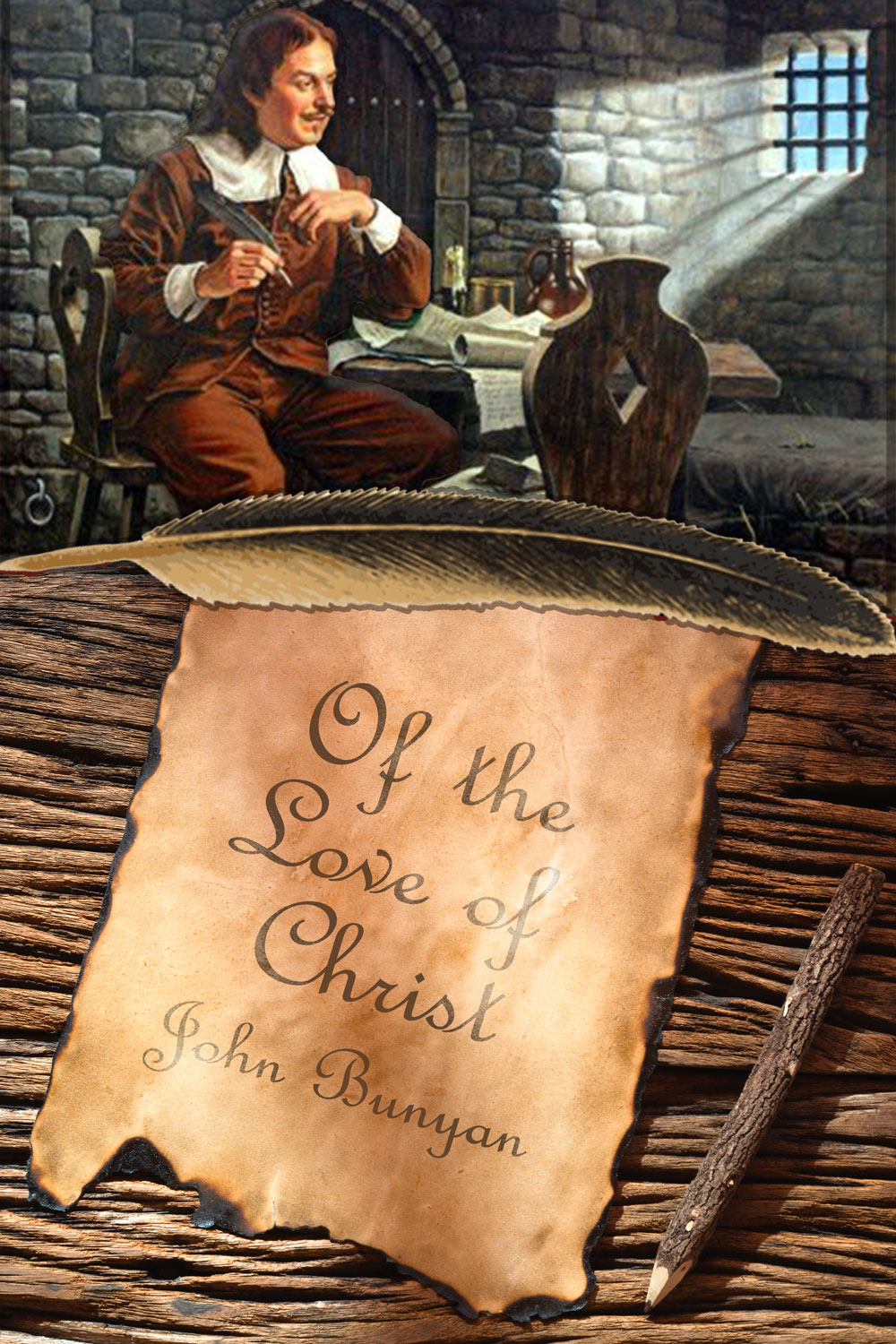
Of the Love of Christ
[A poem, also to be found appended to Peaceable Principles and True]
The love of Christ, poor I may touch upon:
But ’tis unsearchable. Oh! there is none
Its large dimensions can comprehend,
Should they dilate thereon, world without end.
When we had sinned, in his zeal he sware,
That he upon his back our sins would bear.
And since unto sin is entailed death,
He vowed, for our sins he’d lose his breath.
He did not only say, vow, or resolve,
But to astonishment did so involve
Himself in man’s distress and misery,
As for, and with him, both to live and die.
To his eternal fame in sacred story,
We find that he did lay aside his glory,
Stept from the throne of highest dignity;
Became poor man, did in a manger lie;
Yea was beholden upon his, for bread;
Had of his own not where to lay his head:
Though rich, he did, for us, become thus poor,
That he might make us rich for evermore.
Nor was this but the least of what he did;
But the outside of what he suffered.
God made his blessed Son under the law;
Under the curse, which, like the lion’s paw,
Did rend and tear his soul, for mankind’s sin,
More than if we for it in hell had been.
His cries, his tears, and bloody agony,
The nature of his death doth testify.
Nor did he of constraint himself thus give
For sin, to death, that man might with him live.
He did do what he did most willingly,
He sung, and gave God thanks, that he must die.
But do kings use to die for captive slaves?
Yet we were such, when Jesus died to save us.
Yea, when he made himself a sacrifice,
It was that he might save his enemies.
And, though he was provoked to retract
His blest resolves, for such, so good an act,
By the abusive carriages of those,
That did both him, his love, and grace oppose:
Yet he, as unconcerned with such things
Goes on, determines to make captives kinds
Yea, many of his murderers he takes
Into his favour, and them princes makes.